Western Swamp Turtle
|
ID#15
|
|
Classification: Reptile
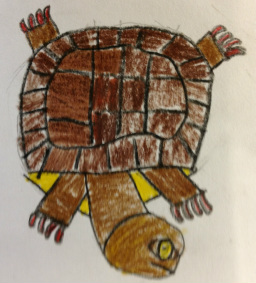
Endangered Status: Critically endangered Habitat: Cypress swamps, swampy grasslands The Western Swamp Turtle has medium sized legs for its body; with five claws on each leg (although it may have fewer in the wild). It has a dark grayish-brown color to its shell for adults. But has lighter colors of brown when younger. If you were in Australia and saw a Western Swamp Turtle, you would probably think it was a normal turtle. It is coming in very tiny at about 12 centimeters for a male adult but about 9-10 centimeters for an adult female. An adult male weighs in at about 0.55 kilograms and about 0.41 kilograms for an adult female. A Western Swamp Turtle is pretty harmless, but it will bite and scratch if it feels uncomfortable. Western Swamp Turtles live on their own in a swamp. Western Swamp Turtles are only active during winter and autumn. Can you believe having to sleep during a nice, summer day? They eat small invertebrates in the swamp such as worms, grubs, flies on water. But will also eat tadpoles and small frogs. A healthy Western Swamp Turtle can live up to 60-70 years in captivity. But about 50 years in the wild. The Western Swamp Turtle is in incubation for I year and hatches 3-5 in a litter a year. They dig a hole in wet dirt and bury the eggs in the dirt. When it is time to dig them up they are the only animal to use their front paws as a shovel to dig it up. Once they are hatched they have a tough time ahead of them. These hatchlings have to survive on their own and have to avoid predators. Since these Western Swamp Turtles are not common, if a male sees a female, they basically have no choice but to mate with each other. The Western Swamp Turtle is the most endangered reptile is Australia too. And were known extinct until people found a small habitat in Swan Valley. |