Numbat
|
ID#10
|
|
Classification: Endangered
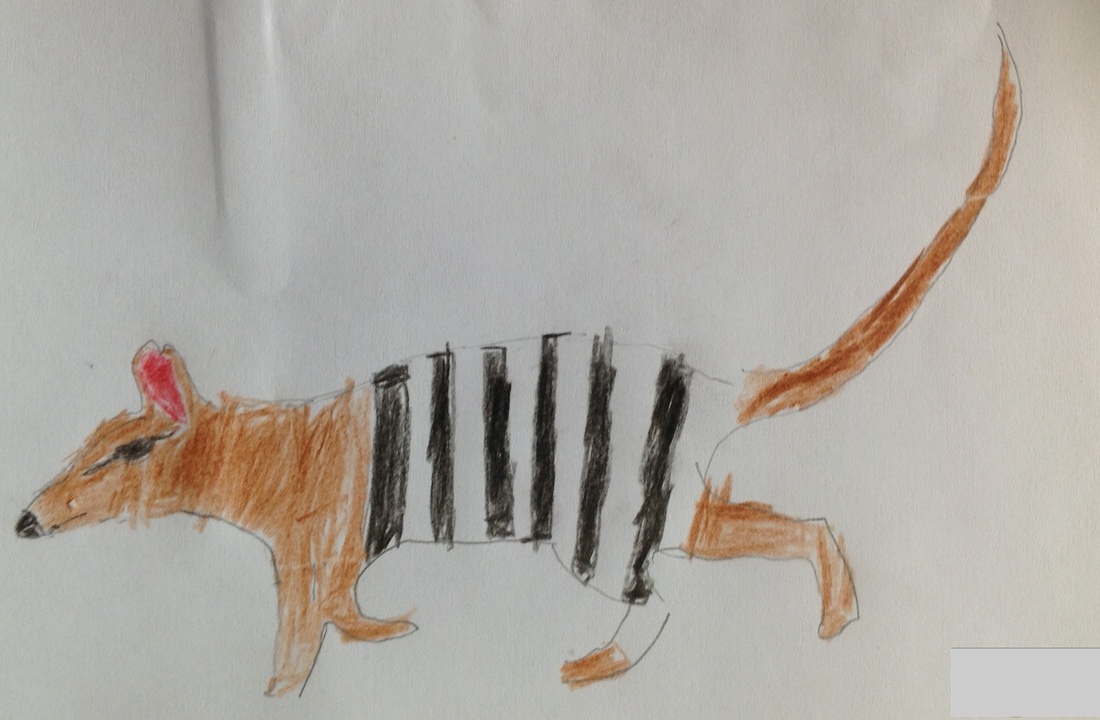
Status: endangered Habitat: forests and woodland The numbat is a small marsupial with reddish-brown fur on its head and shoulders, and farther down it’s body, it has black fur with white stripes. The numbat has 4 legs and has pointy ears. The numbat has a tail that is bushy and about 17 centimeters long. The male numbat is 22 to 29 centimeters, while the female numbat is 20 to 27 centimeters long. A male numbat weighs 405 grams to 752 grams, while a female numbat can weigh from 305 grams to 647 grams. The numbat has a truly unique diet of 20,000 termites a day. 20,000 termites are the equivalent of 10 percent of the numbats body weight. During the day, numbats wait for the termites to come out of their mound because the numbat is not strong enough to break into a termite mound. At night, the numbats sleep in a nest, burrow or hollow log. Numbats are solitary and establish a territory of up to 370 acres. During the cold months, the male and female numbats will share the same home range, but they are rarely seen together. The numbat’s mating season is from January to May. The numbat will mate one time a year. Before mating season, the male numbat will roam away from its territory in search of a female. The numbat will be pregnant for only 2 weeks until she gives birth. There are 4 numbats in a litter. Since the baby numbats will suckle at the female’s nipples, which are on her underbelly, the numbat has long underbelly hairs to keep her babies warm while they suckle. The baby numbats are called joeys. When the joeys are 9 months old, they are able to forage and eat termites on their own. The numbat is a unique marsupial because unlike most, they have no pouch. The numbat, unlike many other marsupials, is diurnal. The numbat is almost extinct because their habitat is being destroyed. When the numbat establishes its 370-acre territory, it will defend from numbats of the same sex. The numbat is only found in Western Australia. |